The Connection Between Influencer Culture and Women's Stress
Scroll through any social media platform, and you'll find a curated world of perfect lives. Influencers share the best version of their lives. Polished skin, spotless homes, thriving careers, and effortlessly happy families. That's the job. But your brain doesn't always register that distinction. It looks aspirational, but for many women, it feels crushing.
Influencer culture has quietly become one of the more significant sources of stress for professional women and moms today. Understanding this connection is the first step toward protecting your mental health.
The Highlight Reel Problem
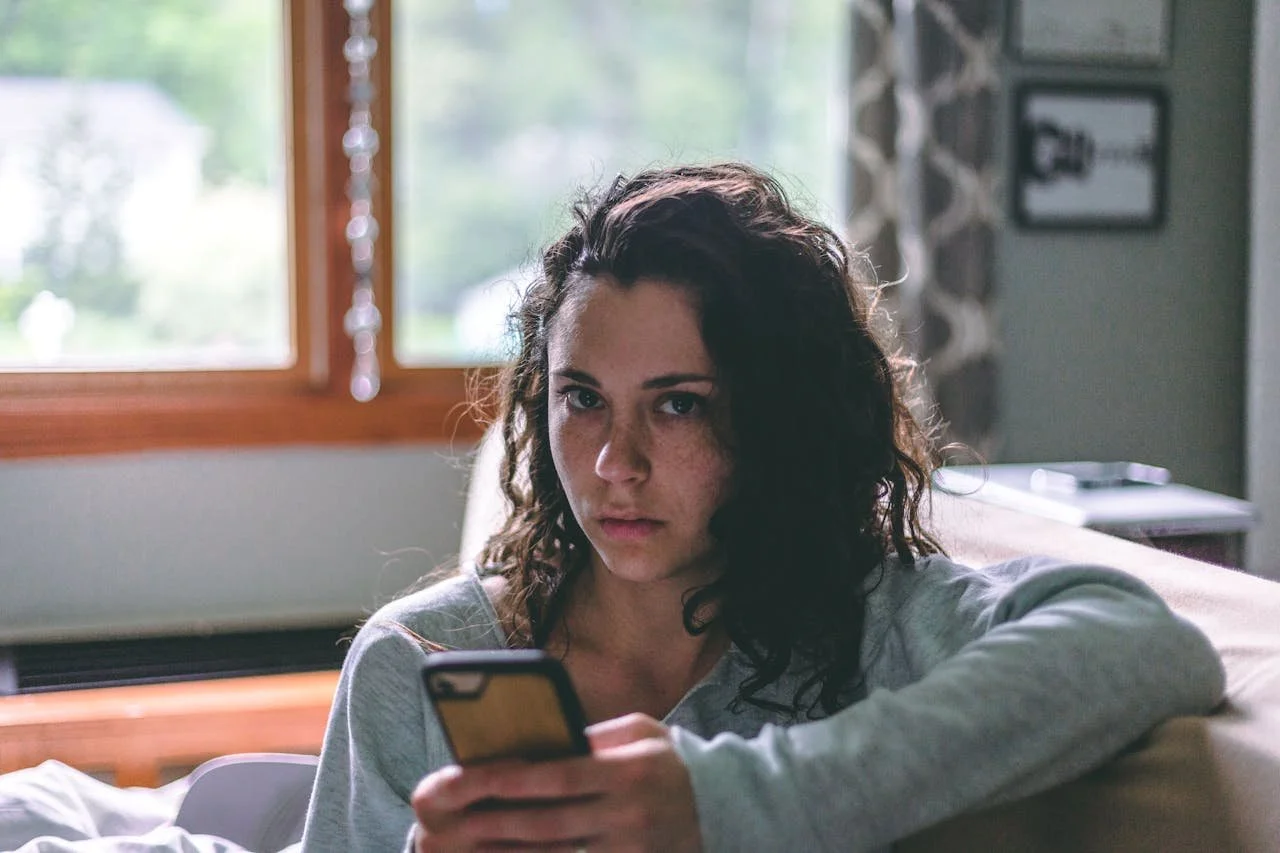
When you repeatedly see idealized images of how women look, parent, work, and live, comparisons happen automatically. Research consistently links heavy social media use to increased anxiety, lower self-esteem, and feelings of inadequacy.
You're not weak for being affected by this. You're human. And your nervous system is responding to constant, curated input in the most natural way it can.
What Women Are Actually Comparing
Influencer culture doesn't just target one area of your life. It tends to hit everything at once.
Your body. "Clean eating," fitness routines, and "bounce-back" narratives after pregnancy set unrealistic standards. Many women internalize these messages without realizing it.
Your home. Aesthetic kitchens, organized pantries, and beautifully styled living rooms suggest that a tidy home equals a successful life. Your real home, with its clutter and chaos, can start to feel like a failure.
Your productivity. The "that girl" trend glorifies 5 a.m. routines, journaling, workouts, and green smoothies before 7 a.m. For exhausted working moms, this can feel impossible to achieve.
Your emotions. Even wellness influencers can inadvertently add pressure. When someone radiates calm and gratitude every day, your harder emotions can feel like something is wrong with you.
The Stress Response Behind the Screen
When you feel like you're constantly falling short, your body responds. Stress hormones activate, rumination increases, and sleep can suffer. For women already managing careers, children, relationships, and life transitions, this added layer of comparison fatigue is significant. Over time, it can contribute to chronic anxiety symptoms and burnout.
The tricky part? Social media is designed to keep you coming back. Algorithms reward content that triggers emotional responses. That means the more a post makes you feel something, including inadequacy, the more you'll see posts like it.
Reclaiming Your Relationship With Social Media
You don't have to delete every app. But you do deserve an intentional relationship with the content you consume.
A few things worth trying:
Notice your emotional state after scrolling. If you consistently feel worse about yourself after using a specific app or following certain accounts, that's important information.
Audit your follows. Unfollow or mute accounts that trigger comparison or shame. You are allowed to curate your own feed.
Set boundaries around screen time. Mornings and evenings can be especially vulnerable times. Creating phone-free windows can reduce the overall volume of comparison stress.
Seek out content that reflects reality. Follow accounts that show the full picture, including struggle, rest, and imperfection. Representation matters, and so does what you normalize for yourself.
When It Goes Deeper Than a Social Media Cleanse
Sometimes, influencer culture amplifies something that was already there. Anxiety about your worth, your appearance, your performance as a mother or professional; these things don't always go away with a detox. If you're noticing that comparison and self-doubt are affecting your daily life, relationships, or sense of self, it may be time to talk to someone.
Counseling for anxiety offers a space to explore where these feelings come from and what they mean for you. You deserve support that goes beyond a curated caption. Reach out today to schedule your free 10-minute video consultation.